6 Bonusly alternatives that rethink employee rewards in 2026
Six Bonusly alternatives compared on real pricing, rewards catalogs, Slack and Teams fit, and analytics, so you can pick the recognition platform that matches how your team works.


Employee recognition has moved from a "nice-to-have" HR perk to a measurable business driver. Every $1 spent on recognition can yield $5 to $7 in ROI, and companies that spend at least 1% of payroll on recognition achieve their business goals 79% more often than those spending less. Bonusly helped popularize points-based peer recognition, but as the HR tech market has matured, teams are asking harder questions: Does this platform live where we already work? Does it scale without hidden costs? Does it connect recognition data to real engagement outcomes?
This guide cuts through the noise. Whether you are a founder managing a 15-person startup in Slack or an HR director overseeing a global team, the six platforms below each take a meaningfully different approach to employee rewards, and one of them is almost certainly the right fit for how your team actually operates. We will cover real pricing, honest trade-offs, and the specific scenarios where each tool wins.
Key takeaways
- Recognition ROI is real and measurable: Turnover is 62% lower among employees using a rewards platform, and 54% of workers say they would stay longer at a company where they feel appreciated, so choosing the right platform directly affects your retention budget.
- Where recognition lives matters as much as what it does: Platforms native to Slack or Microsoft Teams drive higher participation because employees give recognition without leaving their existing workflow. Organizations with small to mid-sized teams using Slack are best suited for tools like BuddiesHR, which supports HR tasks and employee engagement directly within Slack, reducing context switching.
- Pricing transparency varies widely: Bonusly lists its Team plan at $3 per user per month on its official pricing page, with a Team + Bizy AI tier at $5 per user per month and an Organization plan on custom quote. Alternatives range from free under a small headcount to $5+ per user per month, so compare total cost including the separate rewards budget.
- Peer-to-peer recognition outperforms top-down awards: Employees are 2.7 times more likely to be highly engaged when they believe they will be recognized for their contribution. Platforms that enable peer-led recognition, not just manager-to-employee flows, tend to build stickier engagement cultures.
- Match the platform to your growth stage: Small teams (under 50 people) benefit most from modular, pay-only-for-what-you-need pricing. Mid-market companies gain more from platforms with analytics that tie recognition patterns to engagement outcomes.
Quick-start prioritization framework
| Platform | Best for | Effort to launch | Time to results |
|---|---|---|---|
| BuddiesHR | Slack/Teams teams wanting modular recognition + surveys | Low | Days |
| Nectar | Mid-market teams wanting a broad rewards catalog | Low-Medium | 1-2 weeks |
| Assembly | Teams wanting workflow-embedded recognition at low per-user cost | Low | 1 week |
| Awardco | Enterprises needing a 300M+ option rewards catalog globally | Medium | 2-4 weeks |
| Motivosity | Teams that want social recognition feeds and engagement analytics | Medium | 1-2 weeks |
| Kudos | Culture-focused organizations prioritizing values-based recognition | Medium | 2-3 weeks |
Start here if you are:
- A small or remote team (under 100 people) on Slack or Teams: BuddiesHR, lowest per-user cost, free under 10 employees, no bloat.
- A mid-market HR team wanting recognition plus surveys: Nectar or Motivosity, both bundle engagement features alongside peer recognition.
- An enterprise with global reward redemption needs: Awardco, 163 countries, 135 currencies, and Amazon Business integration with no markup.
- A team on a tight budget wanting workflow automation: Assembly, starts at $2 per user per month with milestone automation included.
1. BuddiesHR, editor's pick and best for Slack-native recognition without the overhead
Best for: Small to mid-sized teams that want modular, Slack-first employee recognition without committing to a bloated, expensive platform.
In my experience evaluating recognition tools for distributed teams, the single biggest barrier to adoption is friction. If employees have to open a separate app, log in, and remember a new password, participation collapses within weeks. BuddiesHR solves this at the architecture level.
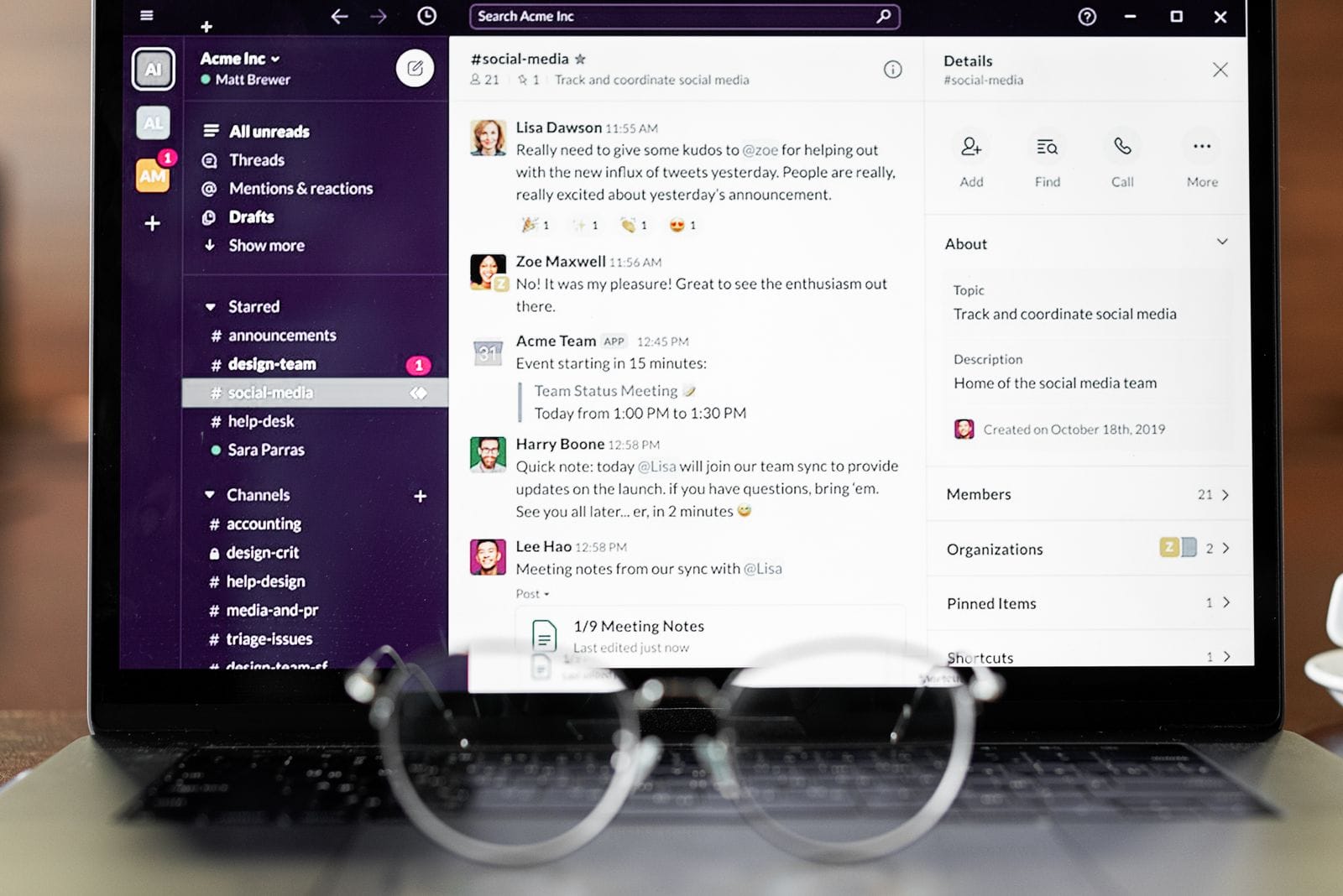
BuddiesHR runs natively inside Slack and Microsoft Teams, meaning recognition happens where conversations already happen. There is no portal to open, no separate login, and no onboarding campaign needed to get employees to use it.
Why it earns the top spot
BuddiesHR empowers HR professionals and founders to craft the ultimate employee experience with an innovative suite of apps for Slack. What separates BuddiesHR from other Slack integrations is its modular build: you can enable peer recognition through Clappy, run pulse surveys through Pulsy, celebrate birthdays and work anniversaries, track PTO, and generate org charts, all from within the same platform but without paying for every module at once.
Every BuddiesHR module comes with a real web platform including dashboards, analytics, segmentation, templates, org charts, review cycles, and exportable reports. This means you get the convenience of Slack delivery with the data depth of a dedicated HR platform.
The recognition module pairs with review cycles so recognition data flows straight into performance cycles, meaning feedback is rooted in what people actually shipped, not what managers remember in the last two weeks.
Pricing
BuddiesHR is free forever under 10 employees, with paid plans from $1 per employee per month. The Culture OS bundle, which covers all the culture apps, is $2 per employee per month on yearly billing, and the Culture and Performance bundle is $3 per employee per month on the same basis. That is a meaningful cost advantage compared to Bonusly's $3-$5 per user per month before any rewards budget is added.
Pros:
- Free tier available for teams under 10 employees
- Modular pricing, pay only for the apps you need
- Native Slack and Microsoft Teams integration with no context switching
- Recognition data feeds into performance review cycles
- Full analytics, dashboards, and exportable reports included
- Supports organizations like SHRM, MLB, Redfin, and Heineken
Cons:
- Best suited to teams already using Slack or Microsoft Teams
- Enterprise plan requires a minimum of 200 seats
- Some advanced reporting features are still maturing
Pro tip: Start BuddiesHR with just the Clappy recognition app. Run it free under 10 users or at $1 per employee per month. Once recognition habits are established, typically within 60 days, layer on Pulsy for surveys to close the loop between recognition patterns and engagement scores.
2. Nectar, best for teams wanting a high-rated rewards catalog with peer and manager recognition
Best for: Mid-market companies (50-500 employees) that want a proven, highly-rated recognition platform with a wide rewards catalog tied to company values.
Nectar is a peer-to-peer recognition platform that holds the highest G2 rating in its category, 4.7/5 across 7,300+ reviews, with real, published tiered pricing at $5-$6 per user per month. That rating matters because it reflects sustained satisfaction across a large and diverse customer base.
What makes Nectar different
Nectar functions as a 360-degree recognition and rewards platform, including social recognition, awards, challenges, milestones, discounts, and other perks. The catalog depth is genuine: Nectar features shoutouts tied to core values, custom challenges, plus an Amazon integration for rewards.
By integrating eNPS tracking, pulse surveys, and AI-powered sentiment analysis alongside recognition data, Nectar connects the dots between recognition frequency and engagement outcomes. If your HR team wants to show the C-suite that recognition spending is driving measurable engagement improvements, Nectar provides the data layer to do it.
The case for action here is concrete: one Nectar customer reduced turnover from 25% to 7% by implementing consistent, values-aligned recognition, the kind of result that more than justifies the platform cost within a single fiscal year.
Pricing
Nectar's Plus plan is $5 per employee per month on annual billing, with Premium at $6 per employee per month. Nectar requires a minimum annual agreement of $4,000, and the platform no longer offers a free tier.
Pros:
- Highest G2 rating in the recognition software category
- Values-based recognition tied to company culture
- Automated birthday and anniversary recognition
- eNPS and pulse survey integration for engagement tracking
- Large global reward catalog including Amazon redemption
Cons:
- No free tier available
- $4,000 annual minimum may be steep for teams under 50 people
- Pricing is moving toward quote-only for some bundles
- Rewards budget is funded separately from the platform fee
Pro tip: When evaluating Nectar, ask specifically about the Culture Suite tier. For organizations serious about using recognition data to drive retention strategy, the Culture Suite brings surveys and communications into the mix, though that tier's pricing requires a sales conversation. Get that number upfront before you fall in love with the demo.
3. Assembly, best for teams that want workflow-embedded recognition at startup-friendly pricing
Best for: Small to mid-market teams (10-500 employees) that want to trigger recognition automatically around key workflows and milestones, without paying enterprise prices.
Assembly is a San Francisco-built peer recognition platform serving 3,000+ customers including Spotify, Coca-Cola, Stripe, and Quora. What distinguishes Assembly from simpler recognition tools is its workflow automation layer. Recognition fires around real events, project completions, goal check-ins, work anniversaries, rather than relying entirely on employees to remember to give a shoutout.
What makes Assembly different
Assembly starts at $2.0 per user per month with the yearly-billed Celebrate plan, which includes announcements, automated milestone celebrations, awards and challenges, branding, automation, integrations, and a global reward catalog.
Assembly powers recognition for 400+ companies and 100,000+ employees worldwide, with an average participation rate of 90%+, and organizations achieve measurable ROI through stronger engagement, reduced turnover, and a more connected culture.
The Empower plan adds peer-to-peer recognition and AI-powered insights through Dora Hub. I've found that the AI nudges for managers, reminders to recognize team members who have not received recognition recently, are particularly effective for companies where recognition habits are uneven across departments.
Pricing
Assembly pricing starts at $2 per user per month for the Celebrate tier with milestone automation, and $3 per user per month for Empower, which adds peer-to-peer recognition and the AI insights layer called Dora Hub. Enterprise pricing is custom. Reward fulfillment is a separate budget, and companies typically fund $3-$10 per employee per month for the rewards pool.
Pros:
- One of the lowest published per-user prices in the category at $2-$3 per month
- Workflow automation triggers recognition around milestones automatically
- Strong Slack and Teams integration
- AI insights layer helps managers identify recognition gaps
- Serves enterprise-tier customers like Spotify and Coca-Cola
Cons:
- Rewards budget is completely separate from the platform fee
- More features than very small teams (under 20 people) often need
- Some advanced analytics and survey tools require the higher Empower tier or add-ons
- Practical feature ceiling becomes noticeable for teams over 100
Pro tip: Use Assembly's Flows (workflow automation) to set up at least three automatic recognition triggers in the first week: work anniversaries, project completion milestones, and new hire 90-day check-ins. These automations alone drive participation without depending on employees forming new habits.
4. Awardco, best for enterprises that need a massive global rewards catalog with Amazon Business integration
Best for: Mid-to-large enterprises (100+ employees) in multiple countries that need a broad, locally relevant reward catalog and no markup on reward redemptions.
Awardco is an employee rewards and recognition platform for companies of every size, with automated, spot, nomination, and incentive programs and a reward network of 300 million options. That catalog depth, powered by an Amazon Business partnership, is the defining differentiator. No other recognition platform in this comparison comes close on global reward breadth.
What makes Awardco different
The platform operates across 163 countries and supports 135 currencies, making it suitable for global organizations. For companies with employees in markets where gift card catalogs are thin or culturally mismatched, this matters enormously.
Awardco emphasizes its global rewards catalog with a guarantee of no markups or hidden transaction fees, ensuring the full value of a recognition point goes directly to the employee. When you compare this to platforms that take a 10-15% cut of every reward redemption, the savings at scale are significant. For a 500-person company spending $50 per employee per year on rewards, eliminating a 10% markup saves $2,500 annually.
With Awardco Engage, employee feedback and recognition data live in the same system, giving leaders clear visibility into participation, budget utilization, sentiment trends, and overall culture impact across the employee lifecycle.
Pricing
Awardco's starter packages for 100 employees or fewer start at $3,000, and larger plans are quoted. Plans differ by how many recognition types you run. The minimum annual commitment is a real consideration for smaller teams.
Pros:
- 300 million+ reward options via Amazon Business with zero markups
- Operates in 163 countries and 135 currencies for global teams
- Automated recognition for milestones, spot awards, nominations, and incentives
- AwardCodes for reaching offline and deskless workers
- Strong integrations with Workday, BambooHR, ADP, Slack, and Teams
Cons:
- Pricing is not public, and the minimum $3,000+ starting cost rules out small teams
- Quote-based pricing requires a sales conversation before budgeting
- Primarily Amazon-delivered rewards limits options in regions with limited Amazon coverage
- Some reporting features feel less flexible for multi-unit budget reconciliation
5. Motivosity, best for teams that want social recognition feeds with engagement analytics
Best for: Mid-market teams (75-500+ employees) that want recognition embedded in a community-style social feed with manager sentiment insights.
Motivosity functions like a social media platform, allowing employees and managers to stay updated on each other's milestones. This social feed model changes how recognition spreads: a shoutout from one colleague becomes visible to the whole company, creating a compounding effect where recognition reinforces culture publicly rather than staying in a private manager-employee exchange.
What makes Motivosity different
Motivosity is best for peer-to-peer giving, employee recognition feeds, and engagement analytics. The platform includes manager tools that surface sentiment data at the team level, so people leaders can see which teams are under-recognized before it becomes a retention problem.
Motivosity gives HR teams and people leaders a platform to foster peer-to-peer recognition, boost morale, and track engagement trends across organizations of any size. After years of watching recognition programs stall because HR had no visibility into which managers were participating, the engagement dashboards in Motivosity offer something genuinely actionable.
Motivosity provides engagement dashboards and outcomes reporting across teams, which connects daily recognition activity to the broader engagement metrics HR leaders need when presenting to leadership.
Pricing
Motivosity uses custom quote-based pricing. Motivosity starts around $3,000 a year for small companies. Request a demo for exact per-user pricing based on your team size and selected modules.
Pros:
- Social feed model amplifies recognition visibility company-wide
- Manager tools surface under-recognized teams before engagement drops
- Engagement dashboards connect recognition to measurable outcomes
- Multi-currency support for global teams
- Strong Slack, Teams, Workday, and ADP integrations
Cons:
- No published per-user pricing, requires a sales conversation
- Social feed model can feel noisy for teams that prefer quieter, direct recognition
- Enterprise scalability has some limits compared to larger platforms like Workhuman
- The community-style interface requires active manager participation to deliver value
Pro tip: When demoing Motivosity, ask the sales team to show you the manager sentiment dashboard specifically. This feature, which flags team members who have not been recognized in a set number of days, is one of the most practically useful pieces of data in any recognition platform. If it surfaces clearly and can be exported, it alone may justify the cost.
6. Kudos, best for values-based recognition with deep people analytics
Best for: Culture-focused companies that want recognition tied explicitly to company values, with analytics that measure whether the right behaviors are being reinforced.
Kudos is best for culture-focused organizations that want values-based recognition, points, badges, and people analytics. Kudos connects recognition to company values and gives teams a public recognition feed, dashboards, and reward redemption options.
What makes Kudos different
The defining feature of Kudos is not the reward catalog or the integrations; it is the values layer. Every recognition message is tagged to a company value, which means HR and leadership can see not just how much recognition is happening, but which values are being reinforced and which are being ignored. For companies in the middle of a culture transformation or integrating after a merger, this data is strategically important.
The Kudos platform stands out with its transparent approach to rewards and robust support. Kudos emphasizes its global rewards catalog, which comes with a guarantee of no markups or hidden transaction fees, ensuring the full value of a recognition point goes directly to the employee.
Kudos adds analytics on engagement signals like recognition frequency and participation, giving people leaders a dashboard view of which teams are building recognition cultures and which are lagging.
Pricing
Kudos requires a demo to get pricing information and has no free tier. Kudos works in Slack, Teams, Outlook, and on the web, with a G2 rating of 4.8 from 3,076 reviews.
Pros:
- Values-tagging on every recognition message shows which company values are being reinforced
- No markups on rewards, full point value reaches the employee
- Global rewards catalog with multilingual support
- Strong G2 rating (4.8/5) across thousands of verified reviews
- People analytics surface recognition frequency and participation by team
Cons:
- No published pricing, requires a sales conversation for every prospect
- No free tier
- More configuration required at setup than simpler platforms
- Better suited for enterprise and mid-market teams than small startups
Pro tip: Before you commit to Kudos, export your company values list and ask the demo team to show you a sample analytics report filtered by value. If your top company value, say, "customer obsession", is showing low recognition activity, Kudos gives you the data to build a targeted recognition campaign around it. That specificity is Kudos's core strength, and the demo is the place to verify it works as advertised.
How to choose the right Bonusly alternative

After working through the platform details, the decision almost always comes down to three variables: where your team already works, how much analytics complexity you need, and whether you are optimizing for the platform fee, the total cost of ownership (platform plus rewards budget), or both.
Teams already in Slack or Teams
If your company is Slack-first or Teams-first, the platform you choose needs to be a native citizen of that environment. BuddiesHR and Assembly both offer strong Slack and Teams integrations. BuddiesHR supports HR tasks, employee engagement, and internal communications directly within Slack, reducing context switching, and is suitable for startups, remote teams, and HR departments seeking lightweight, Slack-native HR tools. Assembly adds workflow automation on top of that integration.
Teams that need analytics and surveys
WorkTango's main differentiator is the connection between recognition activity and employee feedback. Rather than treating appreciation as a standalone program, WorkTango helps leaders compare recognition patterns with engagement scores, retention indicators, and overall team health. Nectar and Motivosity also offer meaningful analytics, though at different price points and feature depths.
Teams with global reward redemption needs
Each $1 invested in strategic employee recognition can generate $5-$7 in return, but only when the reward is meaningful to the recipient. For global teams where gift card catalogs are thin or culturally mismatched, Awardco's 300 million+ reward network with zero markups is the clearest solution.
Common mistakes to avoid
A recognition platform fails when recognition itself fails. The two most common causes: employees find the platform inconvenient to use, so participation drops below the critical threshold needed for social proof; or the platform is purchased but managers never build the habit of giving recognition, leaving the tool unused. Before selecting a platform, map out the specific recognition moments you want to capture, peer shoutouts, work anniversaries, project milestones, and choose a platform where each of those moments can happen in three clicks or fewer.
Pro tip: Recognition only pays off when employees receive the right amount of recognition. The platform you choose is secondary to the recognition culture you build. Set a 90-day goal for participation rate, aim for at least 60% of employees sending or receiving recognition, and check it monthly. If participation falls below that threshold, it is a process problem, not a platform problem.
Frequently asked questions
What is the main reason companies switch away from Bonusly?
Most teams switch from Bonusly for one of three reasons: cost scaling (the per-user fee plus a separate rewards budget adds up quickly as headcount grows), limited integration depth with their existing HR stack, or the need for more robust engagement analytics. Reviewers find Bonusly's pricing reasonable for some teams, but note per-user costs can become expensive as headcount grows. Teams that want recognition embedded natively inside Slack or Teams without a separate portal login are especially likely to explore alternatives.
Is there a free Bonusly alternative?
Yes. BuddiesHR's free plan provides access to basic recognition features for up to 10 users, making it the most accessible free option for small teams. BuddiesHR can be installed in 60 seconds in Slack or Microsoft Teams. Assembly has historically offered entry plans as well, though free tier availability should be confirmed directly with the vendor.
How much should a company budget for employee recognition software?
Budget two separate costs: the platform fee and the rewards budget. Published platform fees run from free to $5 per person monthly, but that is not the total cost. Rewards are budgeted separately on every platform and usually cost more: giving each person $10 of points monthly adds $500 a month at 50 people, over and above the subscription. A reasonable starting point for a company of 50 people is a combined budget of $1,000-$2,000 per month when both costs are included.
Does employee recognition actually improve retention?
The data is consistent across multiple research sources. Companies that implement structured employee recognition programs experience 31% lower voluntary turnover rates. Turnover is 62% lower among employees using a rewards platform, and 54% of workers say they would stay longer at a company where they feel appreciated. At an average replacement cost of 50-200% of a departing employee's salary, a recognition platform that prevents even two or three departures per year typically delivers a positive ROI.
Which Bonusly alternative is best for small businesses?
BuddiesHR is a versatile platform tailored for small businesses, offering tools for recognition, rewards, and engagement. Its modular pricing, free under 10 employees, with individual apps starting at $1 per employee per month, makes it the most cost-accessible option for teams under 50 people. Assembly is a strong second choice at $2-$3 per user per month if workflow automation is a priority.
Do these platforms work for remote or hybrid teams?
All six platforms in this guide support remote and hybrid teams. The key differentiator is whether recognition happens asynchronously inside the tools remote employees already use. Nectar is a peer-to-peer employee recognition platform with a rewards catalog, swag store, pulse surveys, and Slack/Teams integrations designed for distributed teams. BuddiesHR and Assembly both operate natively within Slack and Teams, which is especially important for fully remote companies where a separate recognition portal sees low adoption.
Sources
- Employee Recognition Statistics in 2026, Blackhawk Network. Data on recognition ROI and program effectiveness. https://blackhawknetwork.com/resources/blog/rni-ungated/all/jul2026/employee-recognition-statistics-in-2026
- 36 Statistics on Employee Recognition and Motivation (2026), EFX. Research on recognition's effect on engagement and retention. https://www.efx.co.uk/36-statistics-on-employee-recognition-and-motivation/
- BuddiesHR, Official Website, BuddiesHR. Platform features, Slack/Teams native architecture, and pricing. https://buddieshr.com
- BuddiesHR on Sourceforge, Sourceforge. Pricing verification and feature list. https://sourceforge.net/software/product/BuddiesHR/
- BuddiesHR: Pricing, Free Demo and Features, SoftwareFinder. Per-employee pricing details. https://softwarefinder.com/hr/buddieshr
- Best Employee Reward Tools for Small Businesses, BizBot. BuddiesHR pricing tiers including Culture OS bundle. https://bizbot.com/blog/best-employee-reward-tools-for-small-businesses/
- Best Employee Recognition Apps in 2026, SelectSoftwareReviews. Comparative analysis of 50+ platforms. https://www.selectsoftwarereviews.com/buyer-guide/employee-recognition-software
- Bonusly Pricing in 2026, Mojo Gift. Official Bonusly tier breakdown. https://mojo-gift.com/blog/bonusly-pricing
- Bonusly Software Pricing, Alternatives and More 2026, Capterra. User reviews and pricing. https://www.capterra.com/p/167338/Bonusly/
- Nectar HR Review 2026, Gappsy. Pricing tiers and feature details for Nectar. https://www.gappsy.com/tools/nectar-hr/
- Nectar, Highest-Rated Recognition Platform, AI HR Atlas. G2 rating data and pricing. https://www.aihratlas.com/tools/nectar
- Best Employee Recognition Platforms to Boost Retention in 2026, Listicler. Nectar customer turnover case study. https://listicler.com/best/best-employee-recognition-platforms
- An Honest Review of Nectar's Employee Recognition Tools, SelectSoftwareReviews. Pricing tiers and minimum commitment. https://www.selectsoftwarereviews.com/reviews/nectar
- Assembly Software Review 2026, Capterra. Assembly plan pricing and features. https://www.capterra.com/p/181224/Assembly/
- Assembly Review 2026, SaasRat. Pricing comparison and customer base overview. https://saasrat.com/products/assembly
- Assembly Pricing and Features, GetApp. Participation rate data and feature breakdown. https://www.getapp.com/hr-employee-management-software/a/assembly/
- Awardco Review 2026, Phi Consulting. Global coverage and pricing information. https://phi.consulting/tools/awardco
- Awardco Review 2026, LeadChangeGroup. Starter pricing, reward network, and Amazon partnership. https://leadchangegroup.com/software/awardco/
- Awardco Engage, Awardco. Feature list and Engage analytics module. https://www.awardco.com/platform/engagement
- Awardco Expert Review and Pricing, SelectSoftwareReviews. Minimum annual fee and user feedback. https://www.selectsoftwarereviews.com/reviews/awardco
- 12 Best Employee Rewards Software Platforms in 2026, Workhuman. Motivosity and WorkTango feature comparison. https://www.workhuman.com/blog/employee-rewards-software/
- 10 Best Employee Recognition Platforms of 2026, People Managing People. Motivosity and WorkTango use case breakdown. https://peoplemanagingpeople.com/tools/best-employee-recognition-platform/
- 15 Best Employee Recognition Software in 2026, Kudoboard Blog. WorkTango analytics and engagement connection. https://www.kudoboard.com/blog/best-employee-recognition-software/
- The 12 Best Employee Recognition Platforms for 2026, AsanteBot. Kudos feature comparison table. https://asantebot.com/blog/best-employee-recognition-platforms/
- 12 Best Employee Recognition Software Platforms in 2026, MatterApp. Pricing comparison and platform overview. https://matterapp.com/blog/employee-recognition-software
- Employee Recognition Statistics 2026, Speakwise. Gallup engagement data and turnover statistics. https://speakwiseapp.com/blog/employee-recognition-statistics
- Employee Recognition Statistics, Workhuman. ROI and engagement research. https://www.workhuman.com/blog/employee-recognition-statistics/