Continuous feedback made simple: Modernizing performance reviews
Learn how ongoing check-ins, real-time insights, and AI-powered tools like Simpleperf support continuous feedback, creating better performance outcomes.


Annual performance reviews have long been the mainstay for discussing past performance. However, the world of work is evolving faster than most companies can keep up. This has rendered a yearly performance discussion completely insufficient for dealing with the demands of our new world, driven by AI technology and globalization.
In this article, we discuss a more effective approach and explore how companies can modernize performance reviews through AI technology.
Quick Overview
Continuous feedback is a performance management model focused on frequent feedback and real-time performance conversations. Instead of waiting for quarterly or yearly feedback, this model provides plenty of opportunities for professional development.
Table of Contents
- Key aspects and benefits of continuous feedback
- Reasons why the continuous feedback model works
- How to modernize the feedback process
- Conclusion
- FAQs: Continuous feedback
Key aspects and benefits of continuous feedback

The continuous feedback model is an alternative to traditional feedback systems that rely solely on quarterly and yearly reviews.. Its key aspects support ongoing feedback and continuous improvement. These aspects produce powerful benefits such as higher engagement, stronger relationships, and high-performing employees.
Reasons why the continuous feedback model works
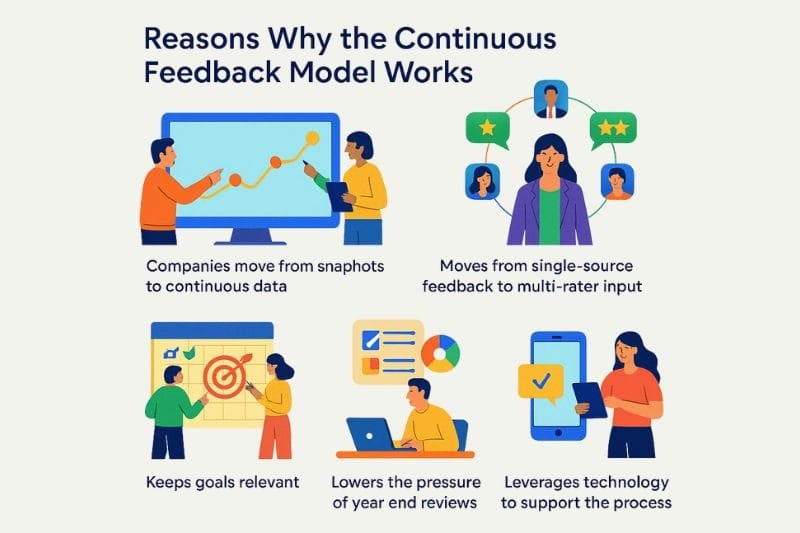
Continuous feedback modernizes how and when you discuss employee performance. Instead of relying on memory, negative feedback, delayed conversations, and outdated goals, feedback sessions are responsive to changing business needs.
1. Companies move from snapshots to continuous data
Performance data is collected quietly behind the scenes and builds a running record of performance over several months. This provides a better (and truer) reflection of an employee's capabilities than one-off data collection at year's end.
2. Moves from single-source feedback to multi-rater input
Relying on a single source for feedback narrows the scope and accuracy of the information. Continuous feedback broadens perspective by including peers, direct reports, and cross-functional collaborations in the employee feedback. This provides the manager with an opportunity to reflect on how others view the employee.
3. Keeps goals relevant
Yearly goal achievement feedback simply will not improve performance in the modern workplace. Managers and employees lose track of what needs to be done, and things can quickly get off track. Goals that are tracked regularly translate into action plans that speed up progress.
4. Lowers the pressure of year-end reviews
The annual review often creates unnecessary pressure for both managers and employees. Collecting evidence from the entire year is time-consuming, and much of the information gathered is outdated by the time the review happens. With a continuous feedback cycle, there’s plenty of evidence to summarize yearly performance and focus on future productivity goals.
5. Leverages technology to support the process
Frequent feedback shouldn’t mean more administration. If that were the case, this would be a poor alternative to the traditional method. Fortunately, modern performance review software supports giving feedback regularly, incorporating it naturally into daily activities. Tools like Simpleperf by BuddiesHR automate the process by:
- Automating the 360 review process.
- Organizing feedback into reports that make sense.
- Providing insights into performance trends.
- Generate constructive, objective feedback prompts that help managers clearly and fairly describe performance.
- Storing all performance feedback in one place.
Insider insight into the performance review software:
People Ops picks: The best performance review software for small companies
How to modernize the feedback process
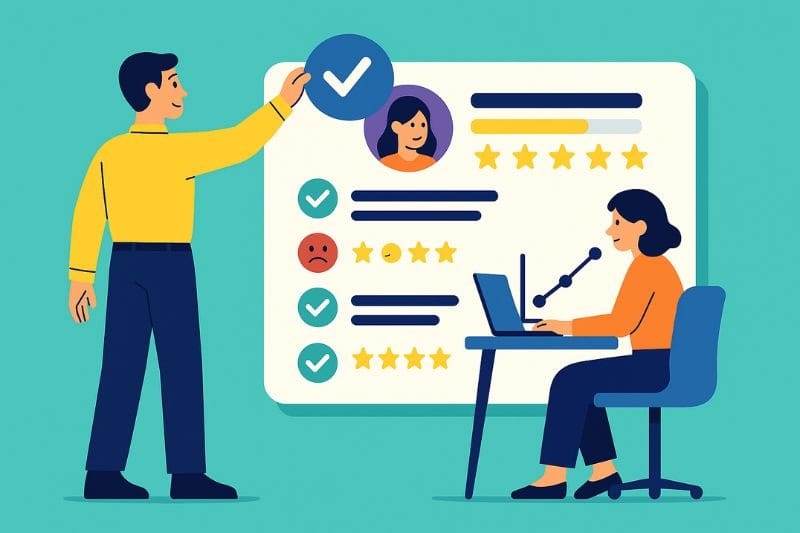
Modernizing the feedback process begins by embedding it into everyday operations and creating a steady, predictable flow that feels natural and unforced. Follow the steps outlined here to create your foundation:
- Set a regular weekly, bi-weekly or monthly check-in schedule.
- Add a quarterly formal review meeting to conclude quarterly targets and set goals for the next quarter.
- Keep goals relevant by discussing them in weekly or biweekly check-ins. Address challenges and set action plans to address them.
- Keep a record of goal achievement and insights throughout the year. This can be automated using performance review software.
By integrating regular feedback sessions, measurable goal tracking, and technology, companies can easily replace outdated feedback cycles. This feedback system is easier to maintain and better suited to modern workplaces.
Example:
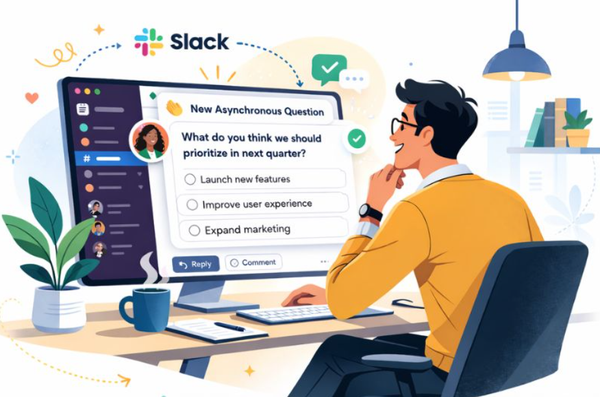
This example illustrates how a company can use Slack, along with employee engagement and recognition apps, to create a continuous feedback model.
Imagine a mid-sized company that uses Slack as its primary communication platform. They rely on Slack for project updates, quick questions, customer issues, and collaboration. Managers begin to notice a gap. Important performance data is being lost in Slack threads, and annual reviews don’t reflect what’s been happening all year.
They decide to address this challenge by integrating employee engagement and recognition apps from BuddiesHR (Simpleperf + Clappy Kudos + Stany Standup).
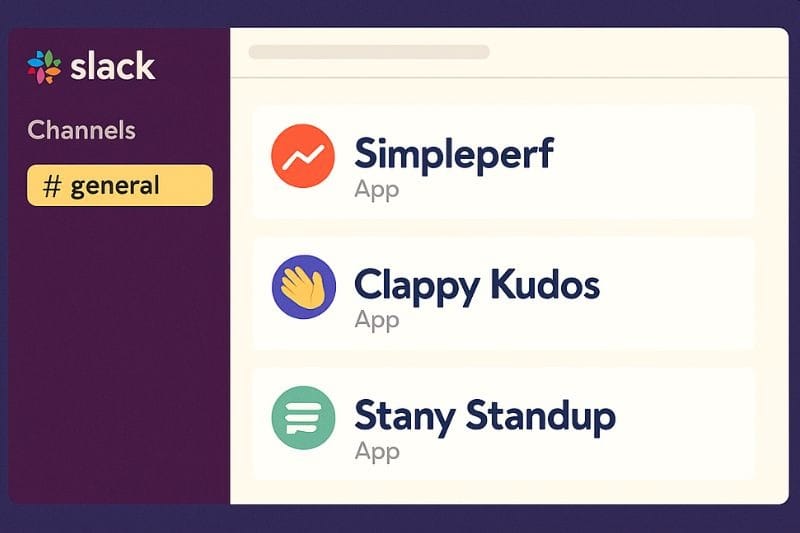
- Simpleperf: Managers automate 360-degree feedback and reminders. AI drives deeper into performance by asking clarifying questions of reviewers. Data is collected, and feedback trends are analyzed. Managers receive insightful reports that help them with quarterly and annual performance reviews.
- Clappy Kudos: Provides for the informal (yet important) recognition of culture-positive behavior and goal achievement. Team members send recognition in Slack, while Clappy collects valuable data and generates trend reports.
- Stany Standup: Provides for a daily check-in. Each morning, employees receive a quick prompt in Slack to report what they accomplished the previous day and any blocks they’re facing. These updates help managers to spot problems and address them immediately.
The result:
The company implements a continuous feedback cycle by cleverly integrating apps into its existing communication platform. This allows them to capture valuable performance information that would previously disappear in chat threads.
Ready to integrate BuddiesHR into Slack for easy continuous feedback implementation? 👉 Join the Slack and BuddiesHR partnership.
Conclusion
Fast-moving, technology-driven workplaces need a performance management approach that keeps pace with their changing needs. The continuous feedback model emerges as an alternative to traditional methods because it is responsive and satisfies the needs of today’s workforce. By implementing this model, companies keep their goals visible and their employees focused on continuous improvement.
FAQs: Continuous feedback
1. Why is continuous feedback good?
The continuous feedback process keeps employees focused on reaching goals and objectives. It serves as an early warning system for potential problems, offering a better alternative to annual performance appraisals. This model leads to a higher level of connection to company goals and career growth.
2. How should I give continuous feedback?
How continuous feedback is given is important for getting buy-in from employees. The feedback should be specific, time-bound, clear, and constructive. Performance expectations that are clearly communicated make receiving feedback easier for employees. Avoid opinion-based statements and focus on negative feedback. This can erode trust in the process.
3. What is an example of continuous feedback?
An example of continuous feedback is a manager holding short check-ins with team members and providing biweekly updates on goal achievement. Weekly meetings are a good time to share recent wins and discuss small challenges that need to be addressed. This can be supplemented with quarterly reviews for discussing performance improvement and goal development.
4. How often should continuous feedback happen?
There is no set schedule for continuous feedback. What works well for most companies is a combination of weekly meetings, quarterly reviews, and an annual performance appraisal. Five-minute daily ‘check-ins’ if the role requires it (such as a sales or IT role). Recognition-driven cultures also use communication platforms for ad-hoc praise and achievement recognition.
5. Are there tools that can help with continuous feedback?
Yes. Performance review software, especially that integrates with communication platforms and ERP, supports the continuous feedback model. They can automate 360-degree reviews and reminders while providing real-time insights into performance trends. They also remove the administrative burden and speed up the collection of data.
6. Can I send electronic performance feedback without having a conversation?
Electronic feedback alone is not an effective way of giving performance feedback. One study found that people had higher performance, motivation to improve, and task engagement when they received feedback from a person rather than a computer. Managers who provide employees with in-person feedback will increase trust, enhance connection, and make the feedback more personal
References:
1. Frederick A. Miller, Judith H. Katz. The Power of Agency. Cultivating autonomy, authority, and leadership in every role. November 2024.