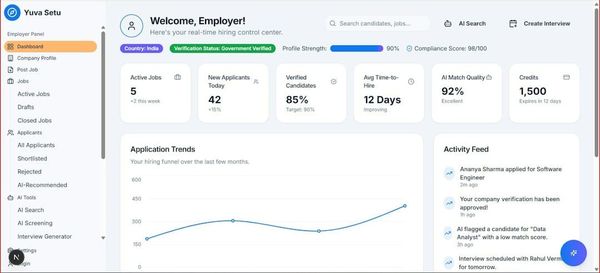
9 employee feedback tools that make honest conversations easier
Compare 9 employee feedback tools, from pulse surveys to 360 reviews and Slack-native check-ins, and find the right platform to make honest workplace conversations easier.


Honest conversations at work are hard. Most employees have held back a concern, softened a critique, or nodded along in a one-on-one while silently disagreeing. The result is a feedback vacuum that quietly erodes performance, trust, and retention.
The data confirms the scale of the problem. Gallup's measure of U.S. employee engagement fell to 29% in Q3 2026, its lowest level since 2011. At the same time, only 26% of U.S. employees feel their opinions count at work, and just 29% report that someone has spoken with them about their progress in the past six months. Those numbers signal a feedback drought, and the fix requires more than a good manager; it requires the right tools.
The good news is that the employee feedback tools market has matured significantly. Whether you need anonymous pulse surveys, structured 360-degree reviews, or Slack-native check-ins that employees actually complete, there is a platform built for your situation. This guide covers nine of the best options available in 2026, what makes each one worth considering, and where each one falls short.
Key takeaways
- Feedback frequency is the number-one lever. Gallup research shows that 80% of employees who received meaningful feedback in the past week were fully engaged. If your current cadence is quarterly or annual, start there, switch to weekly or bi-weekly check-ins and use a tool that makes that easy.
- Anonymity unlocks honesty. Anonymous feedback provides a secure channel for employees to share opinions and concerns without fear of retaliation, fostering a psychologically safe workplace. Any feedback program without an anonymous option will capture a filtered version of the truth.
- Most organizations fail on action, not collection. 35% of employees say their organization doesn't effectively act on feedback. Collecting more data without a clear owner and follow-up plan makes the problem worse. Choose a tool with built-in action planning, not just dashboards.
- Platform fit matters more than features. A tool with 50 features that employees log into once a quarter delivers less value than a lightweight tool embedded in the platform your team already uses every day.
- BuddiesHR is the standout pick for Slack and Microsoft Teams teams. Pulse surveys, eNPS, and performance signals are measured in one place, with reviews, 360s, weekly check-ins, and goal tracking designed for SMBs and priced well below Lattice or 15Five.
Quick-start prioritization framework
| Tool | Best for | Effort to launch | Time to first insight |
|---|---|---|---|
| BuddiesHR | Teams already on Slack or Microsoft Teams | Low | Hours |
| Officevibe (Workleap) | Small to mid-size teams new to pulse surveys | Low | Days |
| TINYpulse | Teams wanting anonymous-first simplicity | Low | Days |
| 15Five | Manager-driven weekly check-in culture | Medium | 1-2 weeks |
| Culture Amp | Data-driven enterprises needing benchmarking | Medium | 2-4 weeks |
| Lattice | Full performance-feedback integration | Medium-High | 4-6 weeks |
| Leapsome | All-in-one performance, learning, and engagement | High | 4-8 weeks |
| PerformYard | HR teams with specific, custom review logic | High | 4-8 weeks |
| Quantum Workplace | Long-term engagement measurement programs | High | 4-8 weeks |
Start here based on your situation:
- Small team on Slack (under 100 people): BuddiesHR, lowest friction, highest adoption.
- Mid-size team wanting manager support: 15Five or Officevibe, structured cadence without enterprise complexity.
- Enterprise needing science-backed benchmarking: Culture Amp or Quantum Workplace, depth of analytics matches the data needs.
- Team connecting feedback to learning or compensation: Leapsome, feedback, development, and compensation modules link together.
1. BuddiesHR, Editor's pick, best for Slack and Microsoft Teams teams
Best for: Small to mid-size teams who want feedback built into their existing workflow, not a new platform to log into.
BuddiesHR takes a deliberately different approach to employee feedback. Instead of asking teams to adopt a new portal, it brings feedback directly into Slack and Microsoft Teams, the platforms most employees already live inside all day. That single design decision removes the biggest obstacle to survey completion: switching context.
BuddiesHR can gather employee feedback directly in Slack thanks to its app called Pulsy. It offers anonymous feedback, surveys, and polls, all within the workspace employees already use. Asking for feedback directly in Slack without requiring employees to sign into any extra account or click on a link maximizes response rates.
The feedback suite sits alongside a broader set of HR apps. The platform includes modular tools for praises, surveys, birthdays, time off, standups, org charts, and random coffee chats that each install into a Slack workspace. You pick only what your team needs, which keeps things clean and prevents feature overload.
On the feedback side specifically, BuddiesHR offers automated 360-degree feedback that provides powerful insights into how employees are performing, with customizable settings, feedback types, questions, and reports, plus real-time performance data with suggestions about employee growth opportunities.
BuddiesHR is free under 10 employees, making it a genuinely risk-free starting point for small teams. For larger organizations, pricing starts at $0.50 per employee per month for individual apps and $1 per employee per month for all BuddiesHR apps.
Pro tip: Pair BuddiesHR's Pulsy survey tool with the Clappy recognition module. Recognition data flows straight into review cycles, so feedback is rooted in what people actually shipped, not what they remembered in the last two weeks.
Pros:
- Native Slack and Microsoft Teams integration eliminates log-in friction
- Anonymous feedback and eNPS surveys built in
- 360-degree reviews, pulse surveys, and recognition in one modular suite
- Free tier for teams under 10 employees
- Priced significantly below enterprise alternatives
Cons:
- Modular setup can feel limited to very large organizations, with fewer advanced customization options.
- Primarily built for Slack/Teams users, less suited to organizations without those platforms
2. Officevibe (Workleap), best for recurring pulse surveys with strong anonymity
Best for: Managers at small to mid-size companies who want a simple, automated pulse survey cadence with reliable anonymous feedback.
Officevibe by Workleap has carved out a strong position as the best-value employee engagement platform for mid-size teams. Its automated weekly pulse surveys, anonymous feedback channel, and built-in recognition and goal tools deliver continuous engagement measurement without the price tag of enterprise platforms.
The anonymity model is a genuine strength. The anonymous feedback channel allows employees to raise concerns safely, with managers responding without knowing who sent the message. That two-way anonymous dialogue, where managers can respond and employees can reply, is rarer than it sounds across this category.
Officevibe's Team Health and Feedback tools collect pulse responses and anonymous comments; managers can use those findings to prepare conversations and action plans.
Pros:
- Automated pulse surveys run on a consistent cadence without manual setup
- Strong anonymous feedback channel with manager reply capability
- Simple, clean user experience with low learning curve
- Integrates with Slack and Microsoft Teams
Cons:
- Does not include structured performance reviews in its core offering.
- Platform bundles start from $4,999 per year, which may be steep for very small teams.
3. 15Five, best for weekly manager-employee check-ins
Best for: Mid-size organizations building a structured, manager-driven feedback culture based on weekly cadence.
15Five is a performance management platform built around weekly check-ins, OKRs, and continuous feedback between managers and employees. The core concept is simple: a 15-minute weekly form where employees report on priorities, progress, and blockers, while managers respond with feedback. Over time, those check-ins build a documented trail that makes formal reviews far more grounded and fair.
The platform nudges regular dialogue through 1:1 tools and check-ins, which reduces surprises during review cycles. 15Five also combines structured review cycles with continuous feedback and lightweight recognition tools like "High Fives," making performance conversations more balanced.
Employees receiving daily rather than annual manager feedback are 3.6 times more likely to strongly agree they were motivated to do outstanding work, according to Gallup. That is the behavioral change 15Five is built to create. If your managers currently give feedback only during formal reviews, the weekly check-in structure forces a healthier cadence.
Pricing starts at $4 per user per month for the Engage tier. 15Five costs $4, $11, or $16 per user per month billed annually, depending on the plan.
Pro tip: The check-in at the center of 15Five is a 15-minute weekly form where employees report on priorities, progress, blockers, and overall mood. Schedule a standing calendar block for managers to review and respond to those check-ins within 24 hours, response time signals that the feedback loop is real, not performative.
Pros:
- Weekly check-in format builds consistent manager-employee dialogue
- Combines pulse surveys, 360 reviews, and OKR tracking in one platform
- Good integrations with BambooHR, Workday, and ADP
- Published pricing with no enterprise-only gatekeeping
Cons:
- Core features like check-ins 1-on-1s, and recognition require the $11 per user plan, not the entry-level $4 plan.
- Pricing is per user per month billed annually, with a minimum seat count that makes it most cost-effective for teams of 50 or more.
4. Culture Amp, best for enterprise engagement analytics and benchmarking
Best for: Large organizations that need research-backed surveys, industry benchmarks, and data-driven action planning.
Culture Amp is best for enterprise engagement analytics and benchmarking. What sets it apart from most survey tools is the depth of its survey science. Templates are developed by organizational psychologists, covering engagement, wellbeing, DEI, and onboarding and exit feedback.
Templates cover a wide range of topics and ensure that the feedback collected is reliable and provides actionable insights. The platform's benchmark database is a particular differentiator; it allows organizations to compare their scores against industry peers, which turns raw engagement data into strategic context.
In one analysis of 530 work units those whose manager received feedback showed a 13% increase in productivity. In a similar exploration of 469 business units, those whose managers received feedback increased their profitability 8.9%, per Gallup. Culture Amp's analytics are built to surface precisely this kind of impact, connecting survey outcomes to business performance.
Pros:
- Science-backed survey templates developed by organizational psychologists
- Industry benchmarking allows meaningful external comparison
- Strong 360-degree feedback and DEI survey capabilities
- Extensive HRIS integrations including Workday and BambooHR
Cons:
- Pricing is quote-based and skews toward enterprise budgets
- Engagement and survey features are strong, but the platform may be more than smaller teams need.
5. Lattice, best for feedback tied to goals and performance reviews
Best for: Organizations that want employee feedback embedded inside a full performance management system, with goals, compensation, and career development connected.
Lattice is best for feedback inside a structured performance-management system. Many teams use Lattice to keep 1:1s, goals and OKRs, feedback, and review cycles in one place, so engagement insights are not floating in isolation. That tight integration is the product's core value proposition.
Managers can give instant feedback, praise or constructive, during a 1-on-1, and that feedback auto-archives to the employee profile for reference during annual reviews. When review time arrives, managers have a documented record of the whole year rather than relying on what they remember from the past three weeks.
Lattice's Foundations plan starts at $13 per seat per month, while Engagement starts at $4 per seat per month, billed annually, with a $4,000 minimum annual agreement.
Pro tip: Aim to give feedback that's 75% positive and 25% negative overall, according to Center for Creative Leadership research. Lattice's real-time feedback and praise features make it easy to shift the balance in favor of strengths-based recognition between formal review cycles.
Pros:
- Connects goals, 1:1s, feedback, and performance reviews in one system
- Real-time feedback archived automatically to employee profiles
- Strong integrations with Workday, BambooHR, and Slack
- Compensation planning module available for a fully unified people system
Cons:
- Can be expensive for teams that only need basic feedback functionality.
- Implementation requires more investment upfront than lighter tools, and pricing skews toward the enterprise end.
6. Leapsome, best for connecting feedback to development and learning
Best for: Growing companies that want employee feedback tied directly to development goals, learning programs, and performance reviews in one platform.
What distinguishes Leapsome is the connection between feedback and development. An employee gets feedback, that feedback informs a development goal, and that goal links to a learning module. That end-to-end chain is rare in this category and particularly valuable for organizations where talent development is a strategic priority.
Leapsome offers anonymous employee feedback, pulse surveys, survey templates, survey analytics, and reporting geared towards taking action. The AI-assisted writing feature helps managers and peers write better feedback without defaulting to vague platitudes, a practical solution to one of the most common failure modes in peer review programs.
Leapsome also has strong GDPR compliance features for European organizations, making it a natural fit for companies with significant EU headcount.
Pros:
- Feedback connects directly to development goals and learning modules
- AI-assisted writing improves feedback quality at the point of submission
- Strong GDPR compliance for European teams
- Engagement surveys, 360s, and performance reviews in one platform
Cons:
- Euro-centric compliance features may be overkill for US small teams.
- Rolling out features incrementally is harder because of how tightly the modules connect.
- Pricing is custom and not publicly listed
7. TINYpulse, best for simple, anonymous-first pulse feedback
Best for: Organizations that want anonymous feedback with minimal setup, without committing to a full performance management suite.
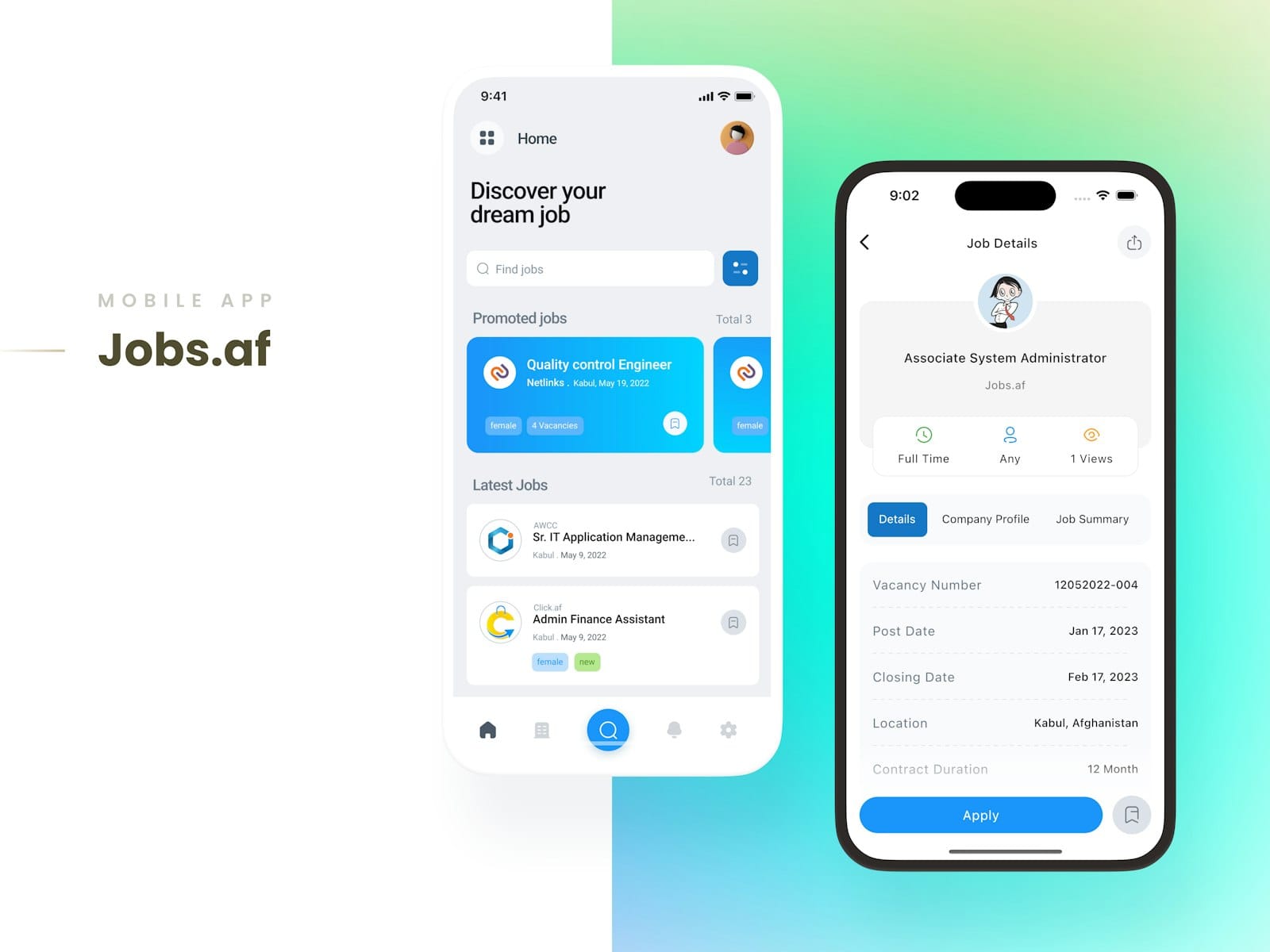
TINYpulse is best for straightforward pulse surveys and anonymous employee feedback. TINYpulse focuses on recurring employee surveys, anonymous feedback, and employee appreciation. The setup time is fast, teams can start collecting feedback in hours rather than weeks, which makes it a particularly useful entry point for organizations that are establishing a feedback culture for the first time.
TINYpulse is an employee engagement platform that specializes in capturing real-time feedback through pulse surveys, offering organizations a simple yet powerful tool to understand and improve workplace morale and culture.
Four out of ten employees who receive little or no feedback become actively disengaged. By contrast, managers who concentrate on strengths when giving feedback are 30 times more likely to engage their employees than those giving no feedback. TINYpulse's peer recognition features, its "Cheers for Peers" functionality, are designed to make strengths-based feedback a daily habit rather than a formal event.
Pros:
- Fast setup with minimal admin overhead
- Anonymous feedback built into the core product
- Peer recognition features complement the survey data
- Simple enough for teams without a dedicated HR analytics function
Cons:
- No built-in 360 feedback or performance management capabilities.
- Less useful once a team needs feedback connected to goals, reviews, or career development
- Pricing is quote-based, so cost can be unclear during evaluation
8. PerformYard, best for custom performance review structures
Best for: HR teams with established, specific review processes that need a tool to replicate and automate those workflows digitally rather than start from scratch.
PerformYard focuses on structured performance reviews rather than continuous listening. HR teams use it to configure and run review cycles, collect multi-rater feedback, and maintain documented performance records. It's an operational tool. Companies that need clean performance documentation and a configurable review process without a lot of extra features tend to find it a good fit.
Rather than forcing your HR team to change how you grade, rate, or track performance, PerformYard gives you a customizable blank canvas to recreate your legacy forms, scoreboards, and timelines inside a fully automated digital structure.
Its superpower is the Review Cycles feature, which lets you build almost any review process you can imagine, from simple 360s to complex multi-stage approvals.
Pro tip: According to Gallup, 48% of employees are more engaged when managers give feedback several times a week. Frequent reviews and one-on-one meetings make feedback routine, reducing anxiety and boosting performance. Use PerformYard's structured review cycles as the backbone, then supplement with a lighter tool like BuddiesHR or Officevibe for the in-between conversations.
Pros:
- Highly flexible review cycle builder that replicates virtually any existing review process
- Strong multi-rater feedback collection and documentation
- Straightforward interface that is easy for employees to navigate, with dedicated customer support.
- Transparent flat-rate pricing model
Cons:
- Less useful for companies that want feedback and development to connect between formal review cycles.
- Primarily designed as a tool for HR to enforce a process, so it may not feel engaging for end users.
9. Quantum Workplace, best for data-driven engagement measurement
Best for: Established mid-size to large organizations that want deep engagement analytics, long-term benchmarking, and data that connects survey findings to business outcomes.
Quantum Workplace has been running engagement surveys for over 15 years, which means its benchmarking data has depth that newer tools cannot replicate quickly. It covers engagement surveys, pulse checks, recognition, and performance reviews.
Quantum Workplace specializes in employee engagement surveys with a strong emphasis on turning feedback into structured action plans. The platform combines pulse surveys, lifecycle feedback, performance reviews, and goal tracking with analytics that help identify high-potential talent and succession risks.
The tenure of the platform is a genuine differentiator. If your organization needs to track engagement trends over multi-year periods and compare scores against a large industry dataset, Quantum Workplace has accumulated the data to make that possible in a way that newer entrants cannot match.
Pros:
- Excellent analytics and data visualization make survey results genuinely actionable for managers. Engagement data integrates tightly with performance tools like Goals and 1-on-1s.
- Fifteen-plus years of benchmarking data provides meaningful industry context
- Covers pulse surveys, lifecycle surveys, recognition, and performance reviews
Cons:
- The user interface feels dated and navigating between modules like Goals and Feedback is not always intuitive.
- Pricing is quote-based with no published figures
- Complex implementation for teams that only need survey functionality.
How to give employee feedback that actually lands
Picking the right tool matters, but the tool is only as effective as the feedback delivered through it. In my experience, the technology fails not because of a feature gap but because the humans using it haven't established a clear feedback habit.
Build a consistent cadence first
80% of employees prefer continuous feedback, which is when managers give feedback promptly rather than waiting for a formal performance review. That preference points to a simple action: establish a weekly or bi-weekly cadence and treat it as non-negotiable, not a nice-to-have when calendars allow.
Research from Quantum Workplace shows that monthly performance conversations are the optimal cadence for employee engagement. If weekly feels like too much, monthly is a defensible floor. Anything less frequent starts to feel like an event rather than a normal part of work, and that formality kills candor.
Make it specific, not vague
According to a study by Zenger and Folkman, 67% of employees said the best managers deliver more positive feedback, praise, and recognition than negative feedback. Positive feedback is only effective, however, when it is specific. "Great work this week" tells an employee almost nothing about what to repeat. "The way you restructured the client presentation before Tuesday's meeting made it much easier to follow, and the client specifically mentioned it" tells them exactly what to do again.
Follow through on what you hear
35% of employees say their organization doesn't effectively act on feedback. That is the single most common reason employees stop completing surveys and check-ins honestly; they have learned from experience that the data disappears into a dashboard nobody acts on. After every feedback cycle, close the loop publicly: share what you heard, what you're doing about it, and what you're not doing about it and why.
Use anonymity strategically
Anonymous employee feedback helps create more inclusive feedback systems by lowering the personal risk of speaking up. For underrepresented employees, disabled employees, and anyone facing bias, language differences, or communication barriers, anonymity can strengthen psychological safety at work and surface issues leaders might otherwise miss.
Anonymous channels are particularly valuable for sensitive topics, culture concerns, management behavior, and equity issues. For goal-setting and performance conversations, attributed feedback tends to drive more productive follow-up because there is a person to follow up with.
Common mistakes that undermine employee feedback programs
Launching a tool without explaining why
Employees who receive a survey invitation with no context assume it's a compliance exercise. Before launching any feedback tool, communicate the purpose, what will happen with the data, and how results will be shared. That framing takes 10 minutes and dramatically increases honest participation.
Collecting feedback during turbulent periods without acting fast
A 2020 article in "Harvard Business Review" emphasizes the importance of follow-up actions after receiving anonymous feedback, pointing out that without visible changes, employees may feel disillusioned. If a reorg, layoff, or leadership change is underway, any feedback collected during that window needs an especially fast and visible response. Silence after a survey during a difficult period is interpreted as indifference.
Choosing a tool based on features instead of adoption likelihood
I've found that organizations consistently overestimate how many features they will actually use. A tool with eight modules that employees open twice a year is objectively worse than a simple pulse survey embedded in their existing workflow. Adoption beats sophistication every time.
Treating upward feedback as optional
In one analysis of 530 work units those whose manager received feedback showed a 13% increase in productivity. Manager feedback is not a luxury add-on. Build it into your review cycles from day one, and use a tool, like BuddiesHR, Lattice, or Leapsome, that makes 360-degree upward feedback a standard part of the process.
Frequently asked questions
What is an employee feedback tool?
An employee feedback tool is software designed to collect, organize, and analyze input from employees about their work experience, manager relationships, team dynamics, and workplace culture. These tools range from simple anonymous pulse survey platforms like TINYpulse to full performance management suites like Lattice, which embed feedback into goal-setting and compensation workflows.
How often should managers give employee feedback?
Across seven Gallup studies representing 44,025 responses, about seven in ten employees were engaged when they strongly agreed they had received meaningful feedback in the past week. When employees did not strongly agree they had received meaningful weekly feedback, only one in four was engaged. Weekly is the standard to aim for. If weekly feels impractical, monthly is the minimum cadence that research supports for meaningful engagement impact.
Should employee feedback be anonymous?
Anonymous feedback provides a secure channel for employees to share opinions and concerns without fear of retaliation, fostering a psychologically safe workplace. While anonymity promotes candor, it may also hinder trust and clarity, emphasizing the need for a culture that supports both open and anonymous feedback systems. The best approach is to offer both options: anonymous channels for sensitive cultural and leadership topics, and attributed feedback for goal-setting and development conversations.
What is the best employee feedback tool for small teams?
For small teams already using Slack or Microsoft Teams, BuddiesHR is the strongest choice. BuddiesHR is suitable for startups, remote teams, and HR departments seeking lightweight, Slack-native HR tools. It is free under 10 employees, making it a genuinely risk-free starting point. For teams without a Slack-first culture, Officevibe offers a similarly low-friction experience with strong anonymous feedback and automated pulse surveys.
What is the difference between a pulse survey and a performance review?
A pulse survey is a short, frequent check-in, typically 2 to 5 questions sent weekly or monthly, designed to measure real-time sentiment and flag emerging issues before they become problems. A performance review is a structured, periodic evaluation of an employee's contributions, goals, and development needs. The best employee feedback programs use both: pulse surveys to listen continuously and performance reviews to have deeper, documented conversations about growth.
How do I get employees to actually complete feedback surveys?
Three factors drive completion rates consistently. First, keep surveys short, under five minutes is the target. Second, embed the survey in a platform employees already use daily, which is why tools like BuddiesHR report higher participation by running surveys inside Slack. Third, close the loop visibly after each survey cycle. When employees see outcomes from anonymous feedback, psychological safety improves and employees remain willing to share honest input.
Sources
- Gallup Q3 2026 Engagement Data, CNBC. U.S. employee engagement falls to 29%, lowest since 2011. https://www.cnbc.com/2026/10/29/us-employee-engagement-gallup-poll.html
- Gallup Global Indicator: Employee Engagement, Gallup. August 2026 tracking data on opinions, feedback, and progress conversations at work. https://www.gallup.com/394373/indicator-employee-engagement.aspx
- 54 Employee Feedback Statistics for 2026, Evalflow. Gallup-sourced data on feedback frequency and engagement correlation. https://www.evalflow.com/blog/employee-feedback-statistics
- BuddiesHR Feedback Use Case, BuddiesHR. Pulsy app for Slack-based anonymous feedback and surveys. https://buddieshr.com/use-cases/feedback
- BuddiesHR Homepage, BuddiesHR. Product overview, pricing, and feature summary. https://buddieshr.com
- BuddiesHR Reviews 2026, G2. User reviews covering Pulsy, Clappy, and Billy modules. https://www.g2.com/products/buddieshr/reviews
- BuddiesHR Features and Pricing, SoftwareFinder. Overview of modular Slack-native HR apps. https://softwarefinder.com/hr/buddieshr
- 15Five Review 2026, ThriveSparrow. Pricing verification and feature breakdown. https://www.thrivesparrow.com/blog/15five-review
- How to Give Constructive Employee Feedback, ClearCompany. Continuous feedback statistics and best practices. https://clearcompany.com/resources/blog/5-essential-components-of-feedback-at-work
- Employee Feedback: What It Is and How to Make the Most of It, Quantum Workplace. Research on feedback cadence and engagement outcomes. https://www.quantumworkplace.com/future-of-work/employee-feedback
- How to Effectively Give and Receive Employee Feedback, Paperform. Zenger and Folkman research on positive feedback and manager behavior. https://paperform.co/blog/employee-feedback/
- Anonymous Employee Feedback: Pros and Cons, Deel. Framework for anonymous versus attributed feedback programs. https://www.deel.com/blog/anonymous-employee-feedback/
- Anonymous Employee Feedback, Lattice. Research on psychological safety and anonymous feedback design. https://lattice.com/articles/should-employee-feedback-be-anonymous
- Anonymous Feedback at Work, CultureMonkey. Psychological safety benefits of anonymous channels. https://www.culturemonkey.io/employee-engagement/anonymous-feedback-at-work/
- How to Provide Effective Employee Feedback, Forbes / Tracy Brower. Gallup data on turnover reduction and productivity from feedback. In one analysis of 530 work units
- Giving Feedback to Boost Confidence and Engagement, PrimEast. Data on manager feedback behavior and engagement outcomes. https://primeast.com/us/insights/how-to-give-feedback-effectively/
- Tips for Giving Feedback, Center for Creative Leadership. Research on positive-to-negative feedback ratios. https://www.ccl.org/articles/leading-effectively-articles/review-time-how-to-give-different-types-of-feedback/
- Best Employee Feedback Software for 2026, Engagedly. Reviews covering Lattice, Leapsome, TINYpulse, PerformYard, and Quantum Workplace. https://engagedly.com/blog/best-employee-feedback-softwares/
- Officevibe Review and Pricing 2026, PerformanceReviewsSoftware. Detailed feature and pricing analysis for Workleap Officevibe. https://www.performancereviewssoftware.com/software/officevibe-review/
- Best 360 Feedback Software for 2026, PerformYard. Comparative analysis including SurveySparrow and PerformYard. https://www.performyard.com/articles/best-360-feedback-software